Carl Friedrik vs Monos: Which One Feels More Premium in Person?
When it comes to minimalist luggage brands, especially those combining polycarbonate with leather trim, the debate between Carl Friedrik vs Monos heats up quickly. Both brands aim to appeal to travelers seeking high-quality, stylish carry-ons without the loud logos and obtrusive branding typical of many mass-market competitors. But which one genuinely feels more premium in hand, and how do they hold up in real airport scenarios?
As a Travel and Style editor with over a decade reviewing luggage, menswear, and Homepage gear—including monitoring what breaks first (spoiler: wheels, handles, and zippers)—I’ve put both Carl Friedrik and Monos to the test. Having also studied other labels such as Joe's Additional hints Daily, Von Baer, and the established suitcase heavyweight Rimowa, this comparison grounds itself in practical use, quality of construction, and real-world baggage claim scenarios.
The Premium Luggage Landscape: Quiet Luxury vs Loud Logos
Before diving into materials and hardware, let’s frame the discussion around two prevailing aesthetics in luggage branding:
- Quiet luxury: Understated elegance, discreet branding, and attention to craftsmanship. Think of this as the ethos behind Carl Friedrik and Von Baer.
- Loud logos: Bold name placement, sometimes over-applied branding, aimed at making the luggage a status symbol. Brands like Rimowa have transitioned in recent years, but still lean toward recognizable logos.
Carl Friedrik aligns itself strongly with quiet luxury. Their suitcases often feature minimal embossed logos and are designed in muted colors, emphasizing material quality and design finesse. Meanwhile, Monos, while also minimalistic, sometimes include visible branding but keep it tasteful and restrained.
Material Reality Check: Full-Grain Leather vs Bonded Leather
One of the biggest points of confusion (and occasional disappointment) for shoppers is the type of leather used in “leather-trimmed” luggage. Here’s the truth:
- Full-grain leather: The top layer of the hide, natural markings preserved, highly durable, develops a patina over time. Feels buttery soft yet rugged—think premium menswear leather jackets.
- Bonded leather: Made from leftover leather scraps glued and processed into sheets, looks like leather superficially but lacks longevity and the same tactile quality.
Carl Friedrikfull-grain vegetable-tanned leather. This difference is palpable: the handle straps and trim feel rich and develop character with use, absorbing scuffs gracefully without peeling.
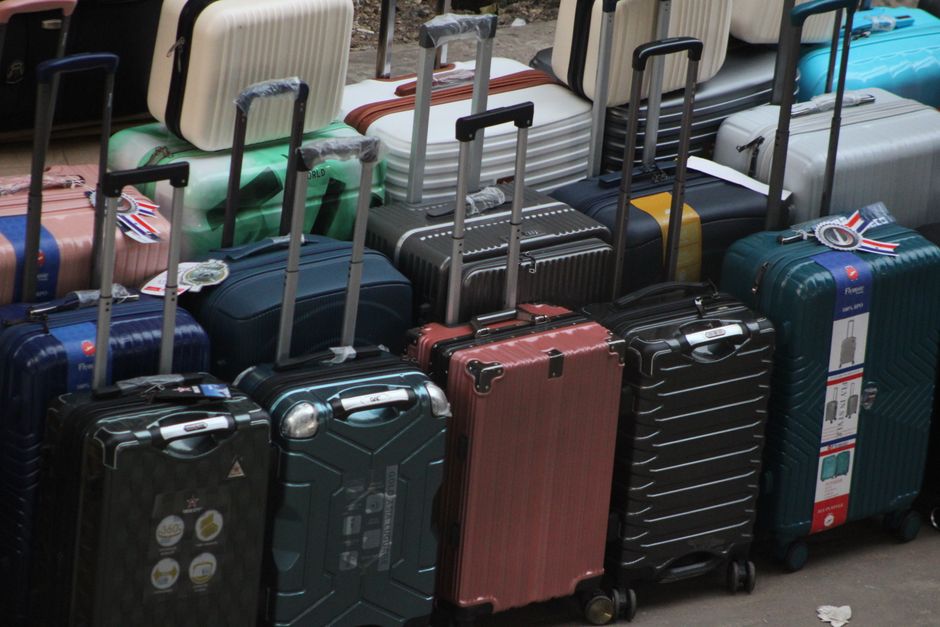
Monos Both brands utilize polycarbonate shells, a standard among premium lightweight suitcases thanks to its impact resistance and flexibility. However, not all polycarbonate is created equal, and this difference can't be overstated when you picture rough baggage handlers and tight airport carousel turns. In direct-to-consumer comparisons resembling Away’s business model, Carlson Friedrik feels more like the “quiet professional” guarding your essentials. The matte-textured polycarbonate with leather trim creates a tactile sensation of care and solidity. Meanwhile, Monos’s shinier surface is easier to clean but visually reveals wear faster — a consideration for frequent flyers navigating airport baggage claim scenarios. My experience as a former retail lead dealing with warranty claims comes to full play here. In real life, the first elements to fail (or show wear) are always wheels, handles, and zippers. Both brands promise industry-standard hardware, but what’s the reality? Here’s a summary based on tactile feel, build quality, and usability: If neither hits your sweet spot, brands like Joe's Daily blend modern design with quality materials at a mid-tier price point, while Von Baer offers luxury leather goods including luggage with superb craftsmanship. And of course, Rimowa remains a technical and stylistic benchmark for hard-shell polycarbonate suitcases, though often with more conspicuous branding. In the end, your luggage will be judged not just by how it looks on your arm or in photos but how it performs in the real grind of airports worldwide. When the carousel spins around, and you’re retrieving your bag alongside hundreds of others, the quiet sophistication of Carl Friedrik’s materials and hardware stands out with functionality and durability. Monos is a great entry point but expect some concessions if you’re chasing true premium feel and longevity. Remember to always check for warranty options and the availability of replacement parts—something Carl Friedrik addresses proactively compared to many DTC brands which treat luggage more like disposable fashion. Choose based on what you value most: enduring quality and quiet luxury or modern minimalism with a value tilt. And next time you’re at that airport carousel, pay close attention—this is where your luggage identity is truly revealed.
Polycarbonate Shell Quality and Impact Behavior
Hardware Durability: Where the Rubber Meets the Runway
Putting It All Together: Which Feels More Premium?
What About Alternatives?
Final Thoughts: Buyer’s Reality Check at the Baggage Claim
Summary Table: Carl Friedrik vs Monos at a Glance
Feature Carl Friedrik Monos Branding Style Quiet, embossed logos Minimal but slightly more visible branding Leather Quality Full-grain vegetable-tanned leather Bonded or synthetic blends Polycarbonate Shell Thicker, ballistic-grade Standard, thinner grade Hardware Durability High-grade wheels, reinforced handles, smooth zippers Good but less refined; potential loosening over time Weight Before Packing ~7.2 lbs (3.3 kg) in carry-on size ~6.8 lbs (3.1 kg) for carry-on Warranty & Repairs Comprehensive with replacement parts Limited coverage